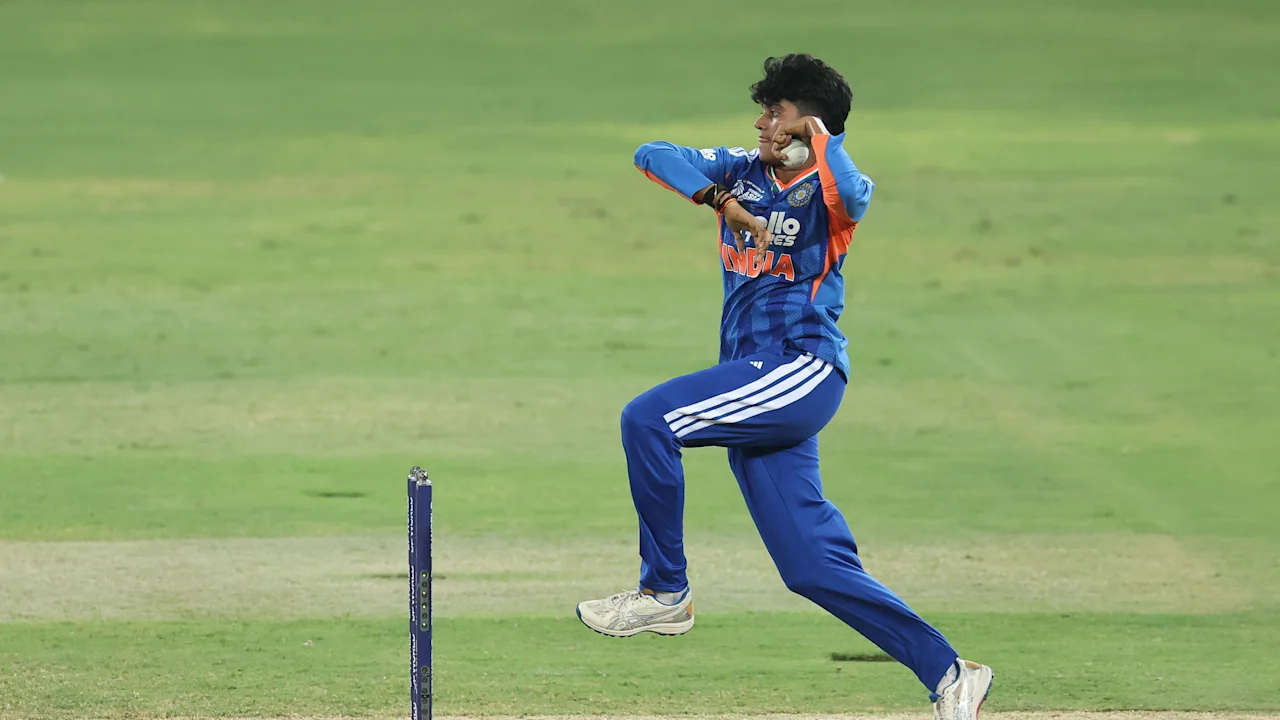
Harmanpreet Kaur has stepped down as captain of the Indian women’s cricket team across all three formats, bringing an extraordinary leadership chapter to an end. The 37-year-old confirmed the decision on October 6, 2026, saying she is now ready to return to the game purely for the love of cricket.
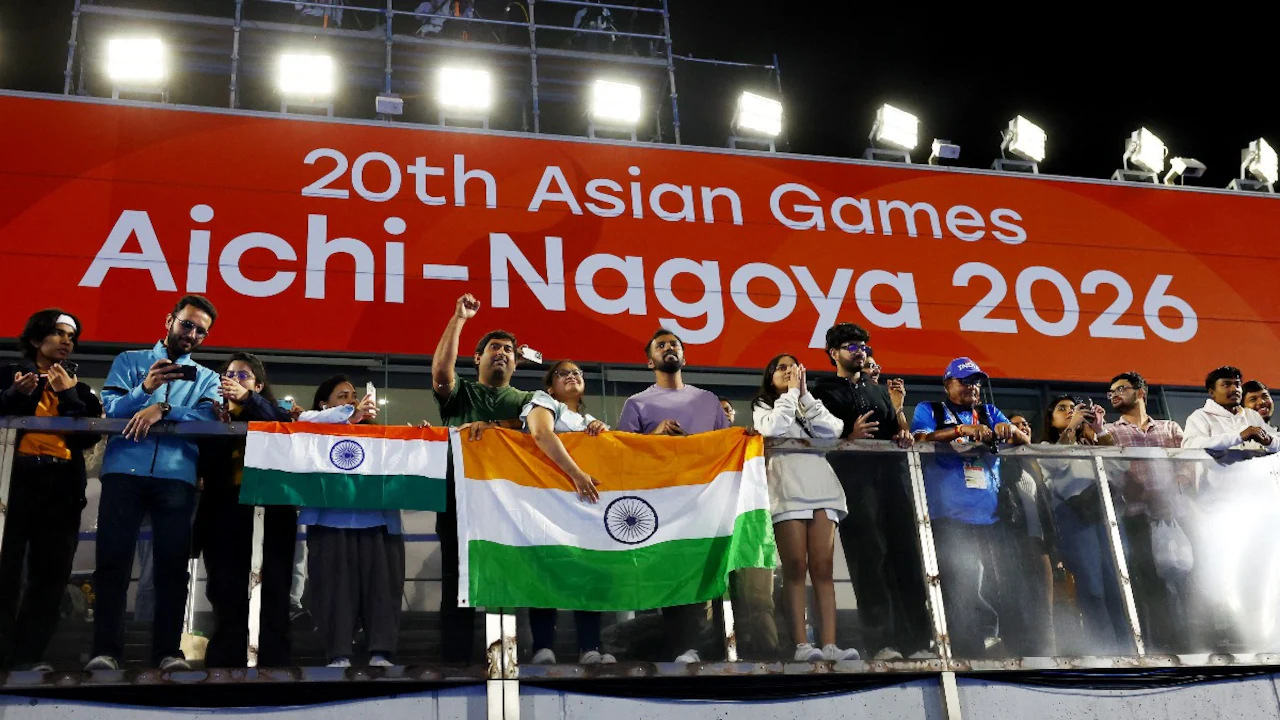
The announcement comes shortly after Harmanpreet led India to their second consecutive Asian Games gold medal in women’s cricket. Her decision marks a significant moment for Indian women’s cricket, particularly because she leaves the leadership role after delivering the biggest prize in the history of the women’s team — India’s first Women’s ODI World Cup title in 2025.
Harmanpreet made the announcement through an emotional statement on Instagram. She described the decision as difficult, reflecting on years of memories, sacrifices, criticism, pressure and responsibility.
The most striking part of her message was that she does not see this as the end of her cricket career.
Instead, Harmanpreet made it clear that she wants to continue representing India as a player.
“Now, I’m ready to play for the love of the game again. Captaincy ends. The journey continues,” she said in her statement.
A captaincy defined by historic achievements
Harmanpreet Kaur’s leadership journey has been closely linked with the rise of Indian women’s cricket over the past decade.
She took charge of India’s T20I side in 2016 and later became the full-time ODI and Test captain following Mithali Raj’s departure from international cricket. She eventually became India’s all-format leader, carrying responsibility across the three formats during one of the most important periods in the team’s history.
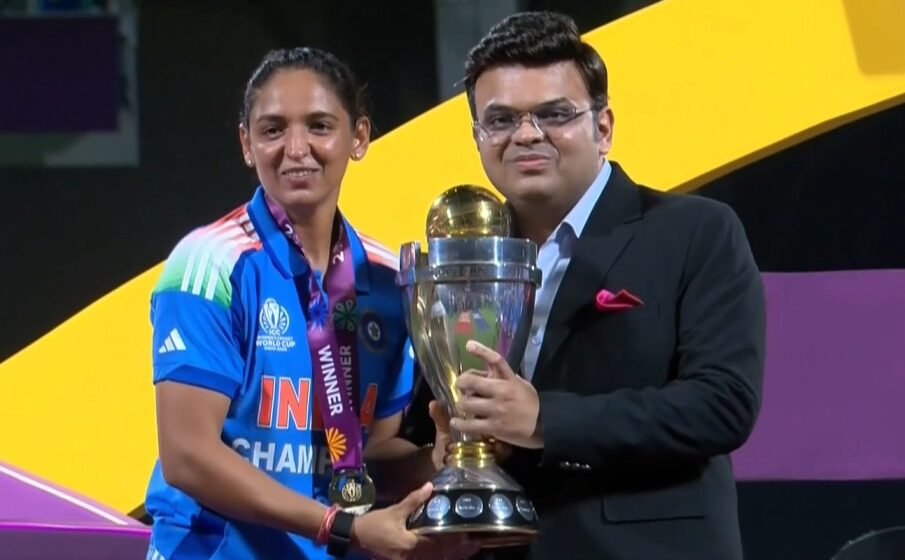
Her greatest achievement came in November 2025.
Playing the Women’s ODI World Cup on home soil, India went all the way to the title and created history by winning the tournament for the first time. Harmanpreet became only the third Indian captain, after Kapil Dev and MS Dhoni, to lead the country to a men’s or women’s 50-over World Cup triumph.
That victory also placed her among a very small group of Indian captains who have won a senior World Cup. Rohit Sharma and Suryakumar Yadav subsequently joined that group after their respective T20 World Cup triumphs.
For Indian women’s cricket, however, Harmanpreet’s World Cup triumph carried an even greater significance. It represented the culmination of years of near misses and growing expectations around a team that had steadily become one of the strongest sides in the women’s game.
Her leadership era also included India’s silver-medal finish at the 2022 Commonwealth Games. Harmanpreet scored 65 in the final against Australia, although India eventually lost the gold-medal match.
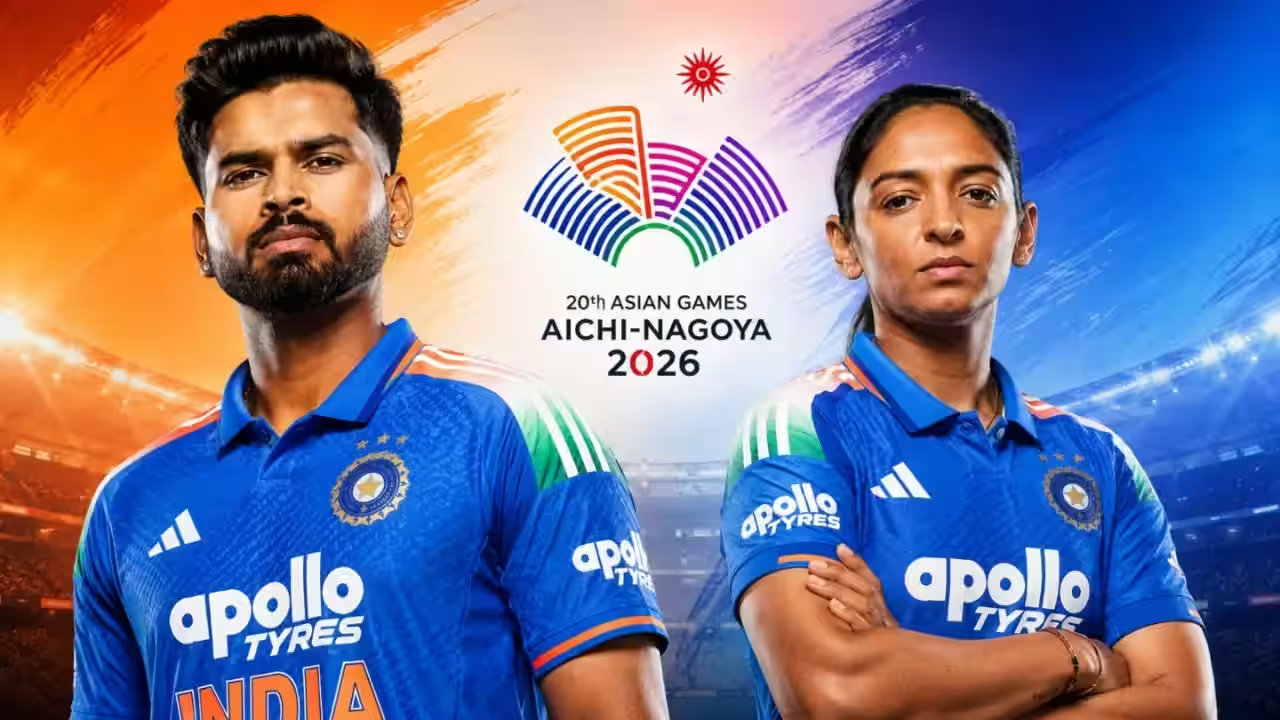
The Asian Games provided another important chapter. India won gold in 2022 and successfully defended the title in 2026, meaning Harmanpreet ended her captaincy tenure with another major international medal.
A remarkable T20I captaincy record
Harmanpreet’s influence was particularly significant in T20I cricket.
She led India in more than 150 T20 internationals, becoming the first player in international cricket to reach that milestone as a captain. Earlier in 2026, she also became the first cricketer to appear in 200 women’s T20Is, another landmark in an already extraordinary career.
During her leadership, India reached the semi-finals of the 2018 and 2023 Women’s T20 World Cups and finished runners-up in the 2020 edition.
Those results tell only part of the story. Harmanpreet was also one of the players who helped transform the perception and popularity of women’s cricket in India. Her aggressive style, powerful batting and willingness to take responsibility made her one of the most recognisable figures in the sport.
Her famous 171 not out against Australia in the 2017 Women’s World Cup remains one of the defining innings of her career and became an early symbol of the belief that Indian women’s cricket could compete with the best teams in the world.
Why has Harmanpreet stepped down?
Harmanpreet has not announced her decision as a retirement from international cricket.
In fact, her statement suggests the opposite.
She said she believes the Indian team is in a good place, with talent, character, belief and a strong future. She also spoke about the personal sacrifices involved in being captain and acknowledged that leadership sometimes meant putting her own game and ambitions behind the needs of the team.
The announcement followed a BCCI review meeting in Guwahati involving Harmanpreet, vice-captain Smriti Mandhana, head coach Amol Muzumdar and BCCI secretary Devajit Saikia. Reports said the meeting focused on assessing the team’s recent trajectory.
However, there has been no official confirmation that Harmanpreet was removed or forced out of the role. Her own statement presents the move as a decision she has taken after years of leadership.
That distinction is important.
Rather than leaving international cricket altogether, Harmanpreet appears ready to enter a different phase of her career — one where she can concentrate on batting, fielding and contributing to the team without the additional burden of captaincy.
What next for India women’s cricket?
The immediate question will be who succeeds Harmanpreet as India’s next all-format captain.
Smriti Mandhana is widely being discussed as a leading candidate, particularly given her seniority and experience within the team. However, the final appointment will be a decision for the BCCI and team management, and no successor should be treated as confirmed until an official announcement is made.
The transition also comes at an interesting time for Indian women’s cricket.
The team now has the confidence of having won its first ODI World Cup, while a younger generation of players is increasingly taking important roles. A new captain could therefore inherit a side that already has a strong foundation rather than one needing to be rebuilt from scratch.
For Harmanpreet, meanwhile, the challenge will be different.
Without the captaincy, she will have an opportunity to focus entirely on her performances and experience the game from a different perspective. After spending years making decisions for the team, managing pressure and answering questions after every major result, the freedom to simply play could become an important new chapter.
Her final words captured that feeling perfectly: captaincy may be over, but her journey is not.
Harmanpreet Kaur leaves the India captaincy with a World Cup title, Asian Games gold medals, a Commonwealth Games silver and a collection of records that have made her one of the most influential figures in Indian women’s cricket.
The captaincy ends.
The Harmanpreet Kaur story continues.
Stay tuned with ROKOCRICKET for more updates from Indian women’s cricket, and subscribe for the latest cricket news, major announcements and stories from around the world.
The ROKO CRICKET author is a passionate cricket enthusiast and sports writer dedicated to bringing readers closer to the game they love. With a keen interest in cricket history, match analysis, player stories, records, rankings, and the latest developments, the author focuses on delivering informative and engaging content in a simple, reader-friendly style. From iconic moments of the past to breaking cricket updates, every story aims to offer useful insights while keeping fans connected to the sport. At ROKO CRICKET, the author believes cricket is more than just numbers and scores—it is about the stories, emotions, rivalries, and unforgettable moments that make the game special.