




Why UFC fighters are underpaid explained with 3 shocking reasons. Discover the real pay gap, revenue split, and why fighters earn less than other sports leagues.
Why UFC fighters are underpaid in modern sports
Why ufc fighters are underpaid is one of the biggest debates in combat sports today. Despite the global popularity of Ultimate Fighting Championship, many fighters struggle financially compared to athletes in leagues like the NBA or NFL.
The issue goes beyond simple salary comparisons. It involves contracts, business models, and control over fighter careers.
-Points to Watch Out
| Key Factor | Reality | Impact on Fighters |
|---|---|---|
| Contract Type | Independent contractor | No benefits or job security |
| Revenue Share | Around 16–18% | Lower earnings vs other sports |
| Union Absence | No collective bargaining | Weak negotiation power |
| Market Control | UFC dominance | Limited alternatives |
| Fighter Supply | High competition | Lower base salaries |
| Expenses | Fighters pay costs | Reduced actual income |
Independent contractor model limits fighter earnings
One of the biggest reasons behind why ufc fighters are underpaid is their classification as independent contractors.
Unlike athletes in major leagues:
- Fighters do not receive guaranteed salaries
- They get paid per fight
- No income if they are injured or inactive
This system allows the Ultimate Fighting Championship to avoid providing:
- Health insurance
- Retirement plans
- Paid leave
For fighters, this means financial instability is always a risk.
Revenue split is significantly lower than other leagues
Another major factor explaining why ufc fighters are underpaid is the revenue distribution.
Fighters typically receive:
- Only 15% to 18% of total revenue
Compare that to:
- Nearly 50% in the NBA
- Similar splits in the NFL and Major League Baseball
This massive gap shows how much less fighters earn relative to the money they help generate.
No union means limited bargaining power
A strong union can change everything in sports. But in MMA, fighters lack a unified voice.
This directly contributes to why ufc fighters are underpaid because:
- There are no minimum salary standards
- Fighters cannot collectively negotiate contracts
- Promotions hold most of the power
Without a union, even top fighters have limited leverage unless they are global superstars.
UFC’s dominance reduces competition
The Ultimate Fighting Championship has become the dominant force in MMA.
Over the years, it has:
- Acquired rival promotions
- Outpaced smaller organizations
- Established itself as the ultimate goal for fighters
This dominance plays a major role in why ufc fighters are underpaid because:
- Fighters have fewer alternatives
- Competing promotions cannot match UFC exposure
- Negotiation power shifts heavily toward the UFC
High supply of fighters keeps salaries low
The demand to fight in the UFC is extremely high.
Thousands of fighters worldwide aim to join the promotion, which leads to:
- Intense competition for contracts
- Fighters accepting lower pay to get exposure
- Replacement options always available
This oversupply is a key reason behind why ufc fighters are underpaid—because the UFC doesn’t need to offer high salaries to attract talent.
Hidden costs reduce actual income
Even when fighters earn fight purses, their actual take-home income is much lower.
Fighters must pay for:
- Training camps
- Coaches and sparring partners
- Management fees
- Travel and medical expenses
So while a fighter may earn a decent payout on paper, real earnings can drop significantly.
Only top stars earn massive money
There is a huge gap between elite fighters and the rest.
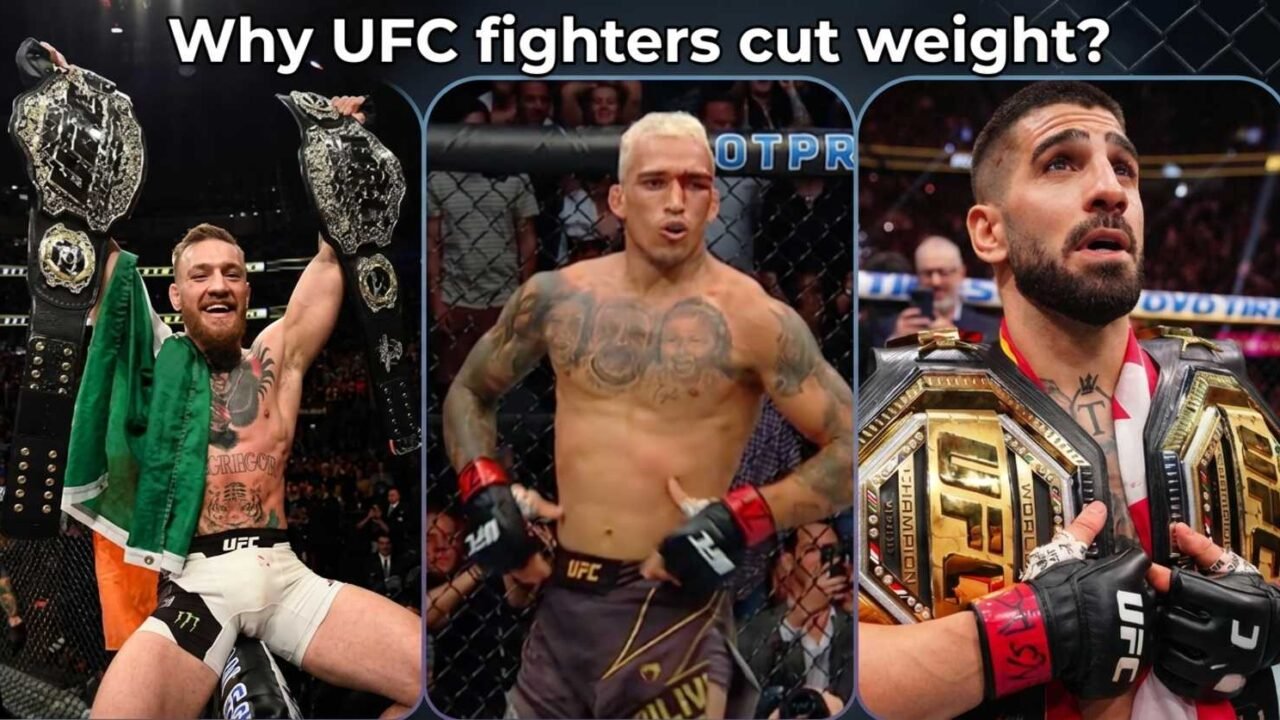
Superstars like Conor McGregor earn millions through:
- Pay-per-view shares
- Sponsorships
- Brand deals
However, most fighters:
- Earn modest base pay
- Depend on win bonuses
- Struggle to maintain financial stability
This imbalance further highlights why ufc fighters are underpaid at the lower and mid levels.
UFC’s argument: high operational costs
The UFC has defended its pay structure by pointing to operational expenses.
They claim costs include:
- Global event production
- Marketing and promotion
- Staff salaries
While these costs are real, critics argue that the revenue generated should still allow for better fighter compensation.
The bigger picture in combat sports
The debate around why ufc fighters are underpaid reflects a broader issue in combat sports.
Unlike team sports:
- Fighters compete individually
- Careers are shorter
- Injury risks are higher
Yet, they earn less than athletes in safer and more structured leagues.
Why ufc fighters are underpaid is not a simple issue—it’s a complex mix of business strategy, market dominance, and lack of collective power.
Until fighters gain more control—through unions, better contracts, or competition—the pay gap is likely to continue.
The question remains:
Will the system change, or will fighters continue to accept the current structure for the sake of opportunity?
💬 Comment your opinion on this post — Do you think UFC fighters deserve higher pay?
[…] UFC fighters cut weight: 5 dangerous truths behind the brutal process Why UFC fighters are underpaid: 3 shocking reasons behind the unfair pay gap Salman Ali Agha handshake controversy: India vs Pakistan handshake snub during Asia Cup 2025 […]