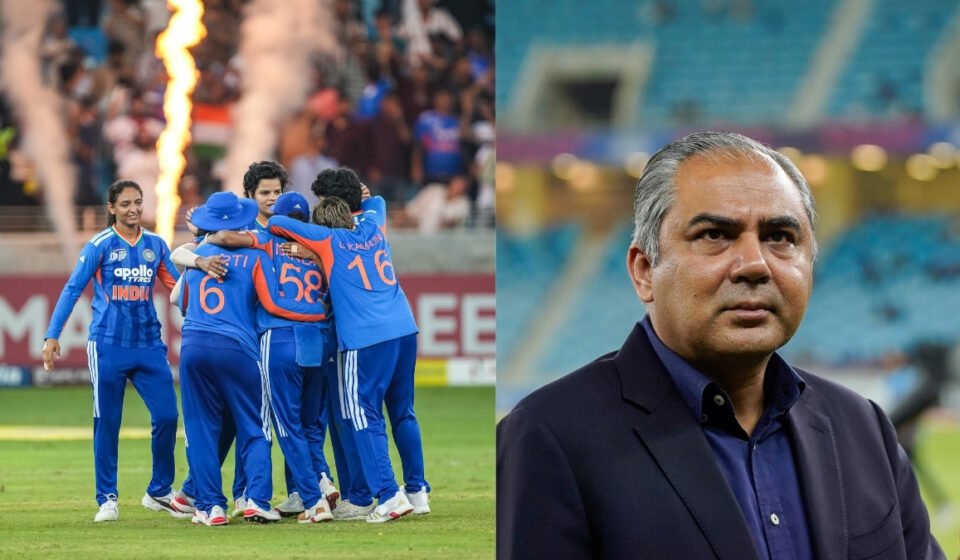

India’s women’s cricket team created history on the field by winning the Women’s Asia Cup for a record eighth time, but the celebrations took an unexpected turn during the trophy presentation. Harmanpreet Kaur and her teammates did not attend the main presentation ceremony and did not accept the Asia Cup trophy from Asian Cricket Council (ACC) president Mohsin Naqvi.
India defeated Sri Lanka by 72 runs in the final in Dubai on September 13, 2026. However, the trophy presentation was delayed, and the Indian players ultimately stayed away from the ceremony. The Sri Lankan team received its runners-up medals and cheque, while the Indian team left without receiving its winners’ trophy and medals.
The incident immediately brought back memories of last year’s men’s Asia Cup final, when the Indian men’s team also refused to accept the trophy from Naqvi.
India Beat Sri Lanka to Win Eighth Asia Cup Title
The controversy surrounding the presentation should not overshadow what India achieved on the field.
Harmanpreet Kaur’s side produced a commanding performance against Sri Lanka and secured another Asia Cup title. India posted a strong total before their bowlers completed the job, dismissing Sri Lanka for 111 to win the final by 72 runs. The victory extended India’s dominance in the tournament and gave the team its record eighth Women’s Asia Cup title.
India’s batting was led by Shafali Verma and Smriti Mandhana, while Shree Charani played a key role with the ball. The final result was never really in doubt once India gained control of the match.
But after the final wicket fell, attention quickly shifted from the cricket to what would happen during the presentation.
Why Did India Not Take the Trophy From Mohsin Naqvi?
Mohsin Naqvi is the president of the ACC and was present for the presentation ceremony. He also serves as Pakistan’s interior minister and chairman of the Pakistan Cricket Board.
According to multiple reports, the BCCI had already communicated its position to the ACC before the final. India would not accept the trophy from Naqvi if the team won the tournament. The Indian team subsequently followed that position after defeating Sri Lanka.
The Indian players therefore did not walk onto the presentation stage to receive the trophy.
Instead, the Sri Lankan players collected their runners-up medals, while captain Chamari Athapaththu received the runners-up cheque. The ceremony then ended without India receiving its winners’ trophy or medals.
Interestingly, BCCI officials were present at the venue. The team also had its Best Fielder award presented separately near the boundary ropes, but the main presentation involving the trophy did not include the Indian players.
A Repeat of What Happened in 2025
Sunday’s scenes were almost a repeat of the men’s Asia Cup final from 2025.
Last year, India had defeated Pakistan in the Asia Cup final in Dubai. However, the post-match presentation became a major talking point after the Indian team declined to collect the trophy and medals from Naqvi.
The 2025 incident came amid already strained cricketing relations between India and Pakistan. The trophy presentation was delayed for a significant period, and India eventually celebrated its title without the official trophy being handed to the players.
That episode had already raised questions about whether a similar situation could occur if India won the Women’s Asia Cup this year.
Those concerns eventually became reality.
The Indian women’s team followed the same position as the men’s team, meaning the Asia Cup ended with another unusual trophy presentation in Dubai.
Amol Muzumdar Backs the Team’s Stand
India women’s head coach Amol Muzumdar later backed the decision taken by the team and the BCCI.
Muzumdar indicated that the team stood together on the matter and emphasised that India had already achieved what mattered most by winning the tournament. His comments came after the unusual presentation ceremony and added another layer to the story.
For the players, the night was still a major sporting achievement. They had dominated the final, beaten Sri Lanka convincingly and secured another continental title.
The absence of a trophy in the team’s hands, however, created an image that is likely to remain one of the most talked-about moments of the tournament.
Cricket and Politics Collide Again
The latest incident also shows how difficult it has become to completely separate cricket from India-Pakistan tensions.
India and Pakistan have faced each other in recent tournaments under an increasingly complicated sporting environment. Last year’s Asia Cup added further fuel to those tensions, and the trophy presentation became an unexpected part of the story.
This time, the same issue followed the women’s tournament.
From a sporting perspective, the Indian team had done everything required to become champions. From the presentation perspective, however, the tournament ended in an awkward situation, with the winners absent from the main ceremony.
That contrast made the scene even more striking: India had just won the title, but the players were not on the stage to collect it.
India’s Eighth Title Remains the Biggest Story
Despite all the attention surrounding Mohsin Naqvi and the trophy presentation, India’s achievement on the field remains the central story.
The Women’s Asia Cup has once again demonstrated India’s strength in Asian women’s cricket. Winning the competition for the eighth time underlines the team’s consistency and long-term dominance.
For Harmanpreet Kaur and her teammates, the title adds another major achievement to India’s growing women’s cricket legacy.
The unusual presentation may dominate social media discussions for the next few days, but the record books will remember something much simpler: India beat Sri Lanka and became Women’s Asia Cup champions for the eighth time.
And yet, the image of India winning the tournament without collecting the trophy from the ACC president is likely to remain one of the most memorable and unusual moments in Asia Cup history.