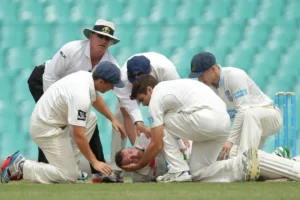
Lahore attack 2009: how a terrorist ambush changed Pakistan cricket forever
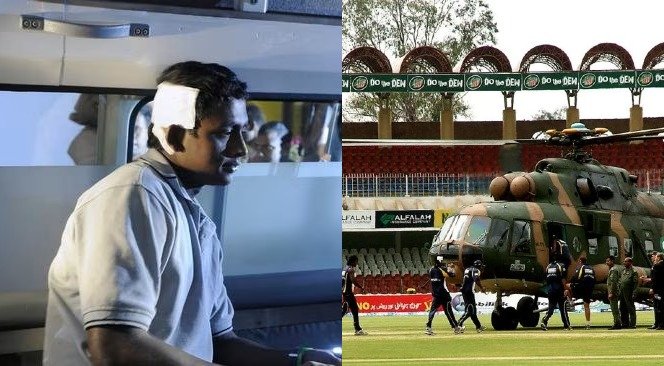
Sri Lanka cricket team bus attacked by gunmen near Gaddafi Stadium in Lahore on March 3, 2009
On March 3, 2009, a routine journey to the cricket ground turned into one of the darkest days in international cricket history. The Sri Lankan cricket team was travelling to Lahore’s Gaddafi Stadium for the third day’s play of the second Test against Pakistan when armed gunmen ambushed its convoy near Liberty Chowk. Several players were injured, eight people were killed, and Pakistan’s hopes of hosting international cricket suffered a devastating blow.
The Lahore attack on the Sri Lanka cricket team in 2009 remains a chilling reminder of how quickly sporting celebrations can turn into a fight for survival. The incident also raised a question that cricket fans in India and Pakistan have discussed for years: what might have happened if India had travelled to Pakistan instead of Sri Lanka?
The question is understandable, given the events that led to the tour. However, there is no established evidence that the attackers specifically planned to target Indian cricketers. What is documented is the security failure that left Sri Lanka’s visiting players vulnerable to a heavily armed assault.
Why Sri Lanka toured Pakistan instead of India
The background to the tragedy began several months earlier. In November 2008, Mumbai suffered a series of coordinated terrorist attacks that killed more than 160 people. The attacks severely damaged relations between India and Pakistan and raised serious concerns about the safety of Indian players travelling across the border.
India subsequently withdrew from its scheduled cricket tour of Pakistan, leaving the Pakistan Cricket Board facing a major financial and sporting setback. Sri Lanka agreed to tour Pakistan, helping the hosts keep international cricket alive on home soil.
Sri Lanka had already played a one-day international series before beginning the Test leg of the tour. The team was led by Mahela Jayawardene, with experienced players such as Kumar Sangakkara, Tillakaratne Dilshan and Thilan Samaraweera forming the backbone of the batting lineup.
The first Test in Karachi ended in a high-scoring draw. The teams then travelled to Lahore for the second and final Test, which began on March 1.
At the end of the second day’s play, Sri Lanka had built a commanding first-innings total of more than 600 runs, with Samaraweera scoring a double century. Pakistan were 110 for one in reply, and the match appeared to be heading towards another long battle between the bat and ball.
Nobody expected the following morning to become a defining moment in cricket’s history.
The morning gunmen attacked the team bus
On March 3, the Sri Lankan players boarded their team bus for the short journey from their hotel to Gaddafi Stadium. Match officials travelled in a separate vehicle, while police vehicles accompanied the convoy.
As the vehicles approached Liberty Chowk, armed attackers opened fire.
Gunmen carrying assault rifles and other weapons targeted the convoy in a coordinated ambush. The players suddenly found themselves trapped inside a bus as bullets struck the vehicle and the surrounding area erupted into chaos.
The attack was not a brief exchange of gunfire. The attackers used rifles, grenades and reported rocket-propelled weapons, while police personnel attempted to stop them and protect the visitors.
The bus driver played a crucial role in the players’ survival by continuing towards the stadium instead of allowing the vehicle to remain exposed at the scene. The stadium was nearby, and reaching its relative safety gave the injured cricketers a chance to escape the immediate danger.
Eight people were reported killed in the attack, including six police personnel, while several Sri Lankan players and team officials sustained injuries. The incident also left members of the match-officials’ convoy wounded.
Among the injured Sri Lankan players were Samaraweera, Tharanga Paranavitana, Ajantha Mendis, Suranga Lakmal and Thilan Thushara. Samaraweera and Paranavitana suffered particularly serious injuries.
For the players, the experience was unlike anything they had encountered on a cricket tour. They had left their hotel expecting another day’s Test cricket. Within minutes, their only priority was to survive.
How the players escaped a possible catastrophe
The quick response of the driver and the efforts of the police escort helped the team reach Gaddafi Stadium. Once the players arrived, security personnel moved to protect them as officials arranged their evacuation.
The situation inside the stadium remained tense. Players and staff had to process what had happened while waiting for a safe way out of Lahore.
Pakistani authorities eventually arranged helicopter transportation, allowing members of the Sri Lankan contingent to leave the stadium area and reach safety. The team subsequently returned to Sri Lanka, bringing the tour to an abrupt end.
The attack had also disrupted the match officials’ convoy. Australian umpire Simon Taufel was among those caught up in the terrifying incident. The attack exposed the vulnerability of not only the players but also the officials responsible for ensuring that international cricket could take place safely.
The bravery of the police personnel who confronted the attackers was widely acknowledged. Their efforts came at a heavy cost, as six police officers were among those killed.
The incident was a stark reminder that security arrangements for visiting sports teams must extend beyond promises and official assurances. They must work in practice, particularly when a team travels through busy public roads.
Was the attack planned to target Indian cricketers?
This remains one of the most dramatic questions surrounding the Lahore attack, particularly among Indian cricket fans.
India had cancelled its scheduled Pakistan tour following the Mumbai attacks. Sri Lanka stepped in to fulfil the commitment, and its players became the victims of the March 3 ambush.
That sequence of events has fuelled speculation that the attack might have been intended for India’s leading cricketers, including Sachin Tendulkar, Virender Sehwag, Yuvraj Singh and captain MS Dhoni.
However, the timeline alone cannot establish the attackers’ intended target. No publicly established finding conclusively proves that the operation was originally designed to attack the Indian team or that it was redirected towards Sri Lanka after India’s withdrawal.
What the available investigation reports did establish was the seriousness of the security failures surrounding the Sri Lankan convoy.
A judicial tribunal examining the incident identified major lapses by police officers responsible for protecting the visiting team. Reports on the inquiry said the route had not been adequately secured and that officers failed to implement the security plan properly.
The distinction matters. The attack’s consequences for Indian cricket could have been catastrophic had India been in Pakistan, but that possibility should not be presented as proof of an unverified conspiracy.
The documented facts are serious enough without speculation: an international cricket team was attacked in a major city while travelling under an official security escort.
The investigation exposed major security failures
The Lahore attack triggered an immediate investigation and intense scrutiny of Pakistan’s arrangements for visiting teams.
A judicial inquiry examined the performance of the police officers assigned to protect the Sri Lankan squad. Its findings pointed to negligence and failures in implementing the security arrangements.
Reports indicated that the team’s route had not been adequately monitored during the first two days of the Test. Questions were also raised about the absence of sufficient personnel and the delayed arrival of reinforcements after the shooting began.
These shortcomings raised difficult questions about how a high-profile international team could be left so exposed.
The attackers escaped, and the incident became a lasting symbol of the risks associated with international cricket in Pakistan at the time. It also damaged confidence among visiting teams, cricket boards and international governing bodies.
The attack was not simply a sporting tragedy. It was a failure to protect people who were guests in the country and who had travelled there to play a game.
How the Lahore attack changed Pakistan cricket
The consequences extended far beyond the abandoned Test match.
International teams became increasingly reluctant to tour Pakistan, forcing the country to stage much of its home cricket at neutral venues. The Pakistan national team spent years playing home matches overseas, particularly in the United Arab Emirates.
Pakistan also lost its share of the 2011 Cricket World Cup hosting arrangements after the security situation deteriorated. The country missed out on the financial benefits, home support and international attention that hosting a major tournament would have brought.
For Pakistani fans, the absence of regular international cricket at home was a painful experience. Supporters who had grown up watching foreign teams visit Lahore, Karachi and other cities suddenly had far fewer opportunities to see international stars in person.
Rebuilding confidence took years of security planning, gradual returns by visiting teams and sustained efforts by cricket authorities. International cricket eventually returned to Pakistan, but the memory of March 3, 2009, remained central to discussions about player safety.
The episode also changed the way cricket administrators viewed security. Team transport, route protection, police coordination and emergency evacuation could no longer be treated as routine arrangements. They were essential conditions for hosting international sport.
A dark day that cricket must never forget
The attack on the Sri Lankan team was a direct assault on the spirit of international sport. Players who had travelled to compete in a Test match were forced to confront violence far removed from anything that should happen on a cricket field.
It is tempting to imagine an alternate history in which India had toured Pakistan and its biggest stars had been on that bus. But history must be separated from speculation. The confirmed tragedy is that Sri Lanka’s players and match officials were attacked, police officers and civilians lost their lives, and international cricket in Pakistan suffered a prolonged setback.
The courage shown by the players, the match officials and the people who helped them escape remains part of the story. So does the failure of the security system that was supposed to protect them.
March 3, 2009, will forever be remembered as a day when cricket stopped being about runs, wickets and results. It became a story of survival, sacrifice and the cost of failing to protect the game.
For more in-depth cricket history, major sporting stories and updates from the world of cricket, stay tuned to ROKOCRICKET. Subscribe and follow us for more stories that go beyond the scoreboard.