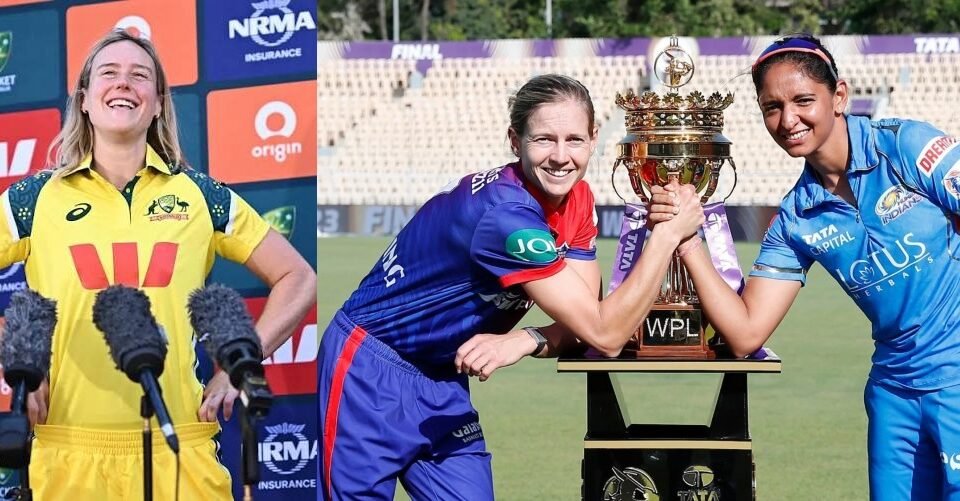

Australian women’s cricket is facing an important scheduling debate after senior players Ellyse Perry and Beth Mooney raised concerns about the national team’s lack of international matches during the peak summer period. With Australia set to complete their home white-ball fixtures against Bangladesh and New Zealand in October, the team will not return to home international action until February 2027.
Perry has questioned the timing of the Women’s Premier League (WPL), arguing that its January window has added pressure to an already crowded international calendar. The issue has also raised wider questions about how Cricket Australia can protect the national team’s visibility while allowing players to participate in lucrative franchise competitions.
The concern is not simply about the number of matches. It is also about when those matches take place, how supporters engage with the team and whether young girls will have enough opportunities to watch their cricketing heroes live.
Australia women cricket schedule 2026: why the gap matters
Australia’s 2026-27 home international programme began with a three-match ODI series against Bangladesh on October 9, followed by three T20 internationals against New Zealand between October 18 and October 22.
After those fixtures, Australia will have no further home internationals until their next series against New Zealand in February and March 2027. The planned return begins with T20Is on February 21, followed by ODIs in March.
| Date | Fixture | Venue |
|---|---|---|
| October 9, 2026 | Australia vs Bangladesh, 1st ODI | Allan Border Field, Brisbane |
| October 11, 2026 | Australia vs Bangladesh, 2nd ODI | Allan Border Field, Brisbane |
| October 14, 2026 | Australia vs Bangladesh, 3rd ODI | Allan Border Field, Brisbane |
| October 18, 2026 | Australia vs New Zealand, 1st T20I | North Sydney Oval, Sydney |
| October 20, 2026 | Australia vs New Zealand, 2nd T20I | North Sydney Oval, Sydney |
| October 22, 2026 | Australia vs New Zealand, 3rd T20I | North Sydney Oval, Sydney |
| February 21, 2027 | Australia vs New Zealand, 1st T20I | North Sydney Oval, Sydney |
The gap is particularly significant because the Australian summer traditionally offers an opportunity to attract families, schoolchildren and casual sports fans. With international women’s cricket absent from the home calendar during much of that period, Australia risk losing valuable exposure at a time when the women’s game is trying to expand its audience.
The schedule does include domestic cricket, including the Women’s Big Bash League (WBBL), which runs from October 29 to December 5. However, that competition does not provide the same opportunity to watch the national team in international colours.
Ellyse Perry explains why WPL timing is a concern
Perry has expressed concern that the WPL’s move into the January window has affected the traditional space available for Australian women’s international cricket.
January has long been an important part of the Australian cricket summer, with school holidays and increased opportunities for families to attend matches. Perry believes the sport needs to make better use of this period rather than leave the national side without a strong presence.
Her concern extends beyond the players themselves. Regular international fixtures help the team maintain a connection with supporters, give young fans the chance to watch leading players in person and create opportunities to attract new audiences.
Australia have established themselves as one of the most successful teams in women’s cricket. That success, however, does not automatically guarantee continued growth. The team needs a visible presence in the domestic market if the sport is to build on its achievements.
Perry’s comments should not be interpreted as a rejection of franchise cricket. The WPL provides an important professional platform for players and has become a significant part of the international women’s game. The challenge is to find a calendar that allows franchise leagues and national teams to thrive without unnecessarily compromising either.
Beth Mooney warns about the impact on young fans
Mooney has raised a related concern about the effect of scheduling decisions on the next generation of female cricketers.
For her, the issue is about accessibility. Families need convenient opportunities to attend matches, and fixtures must be scheduled at times that make it realistic for parents to bring their children to the ground.
If the national team is largely absent during the main summer holiday period, young supporters may have fewer chances to develop a personal connection with their favourite players. Watching elite athletes live can be a powerful source of inspiration for girls who are considering taking up cricket.
Mooney’s concern highlights a long-term challenge for Australian cricket. Building participation requires more than successful teams and televised competitions. It also depends on making the sport visible and accessible to the people who may become its future players and supporters.
The WBBL remains an important part of that picture, but it cannot completely replace international fixtures featuring Australia’s leading players representing their country.
Why the WPL and Champions Trophy have complicated the calendar
The WPL is part of a broader scheduling challenge rather than the only reason behind Australia’s limited home programme.
The 2027 ICC Women’s Champions Trophy has been moved from its earlier June-July window to February 2027. That change has affected the international calendar and forced adjustments to planned bilateral series. Cricket Australia’s revised schedule includes the October matches against Bangladesh and New Zealand, followed by the New Zealand series in February and March.
The WPL is also scheduled for January and early February 2027, with the Women’s Champions Trophy following in February. This leaves a tight window for international cricket and makes it difficult to fit a substantial home series into the Australian summer without creating conflicts.
Franchise cricket offers players financial opportunities and exposure to different conditions, while international cricket remains essential to national-team development and supporter engagement. Administrators must balance both interests.
The central question is whether future schedules can be designed earlier and more collaboratively, allowing domestic leagues, international tours and major ICC events to coexist with fewer compromises.
Australia men have a much busier home summer
The contrast with Australia’s men’s team has added to the discussion. Their home programme includes three ODIs and five T20Is against England in November and December, followed by four Tests against New Zealand from December 9 to January 8.
Those fixtures provide a substantial international presence across the peak summer period, while the women’s team faces a lengthy gap after October.
The comparison does not mean that men’s and women’s schedules can be arranged identically. Different tours, tournament commitments, venue availability and broadcast arrangements all influence fixture planning. However, it reinforces the argument that the women’s game needs a protected place in the summer calendar.
Australia’s women have built a strong following through major tournament victories and consistent performances. Keeping that audience engaged requires a regular opportunity to watch the team play at home.
What happens next for Australian women’s cricket?
Australia’s next home international assignment after October will be against New Zealand, beginning with three T20Is in February 2027 before the ODI series in March. The team is also scheduled for overseas commitments later in the season, including a tour of South Africa.
The immediate issue is therefore not whether Australia will play international cricket at all, but whether the current calendar gives the national team enough exposure during the period when home crowds and young fans could be most accessible.
Cricket Australia faces a difficult balancing act. The WPL is an established part of the women’s game, and the ICC calendar creates constraints that cannot simply be ignored. Yet Perry and Mooney’s concerns show why scheduling should be considered a development issue, not merely an administrative exercise.
More home fixtures during the school holiday period, better coordination between international boards and franchise leagues, and greater consideration of family-friendly match times could help address some of these concerns.
For now, the debate is a reminder that the growth of women’s cricket depends not only on the quality of the product but also on making sure supporters have opportunities to experience it.
Stay tuned to ROKOCRICKET for the latest women’s cricket news, international schedules and updates from the world of cricket. Subscribe and join the conversation: should Cricket Australia protect a dedicated summer window for its women’s national team, even with the growing demands of franchise cricket?