There was a time when the question of Portugal without Ronaldo sounded almost impossible to ask.
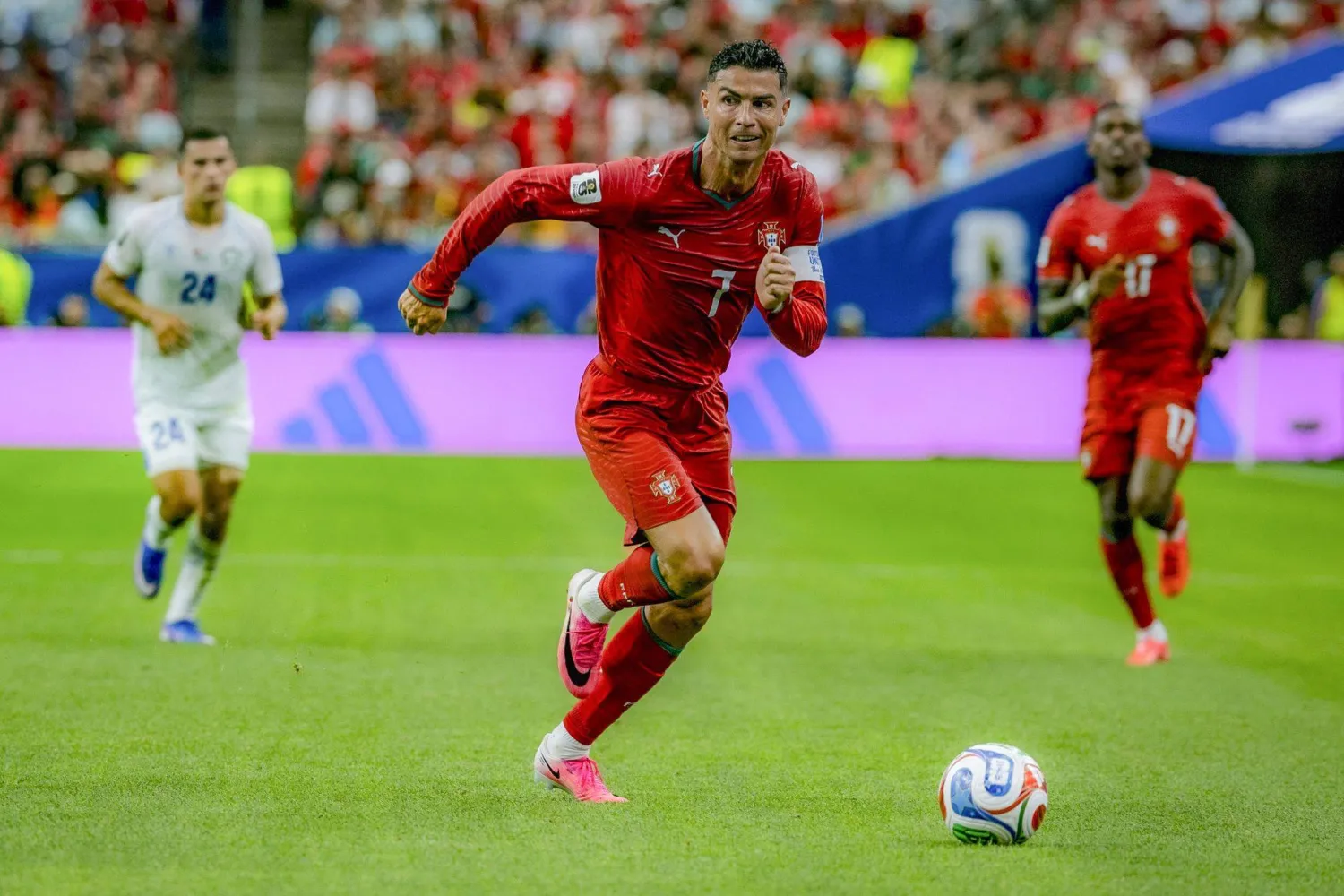
For more than two decades, Cristiano Ronaldo has been the face of Portuguese football, the captain, the record scorer and the player opponents feared most. But after his dramatic departure from Portugal’s training camp following a disagreement with new head coach Jorge Jesus, the question is no longer hypothetical.
Portugal have now played without their legendary No. 7 — and the early results have been surprisingly strong.
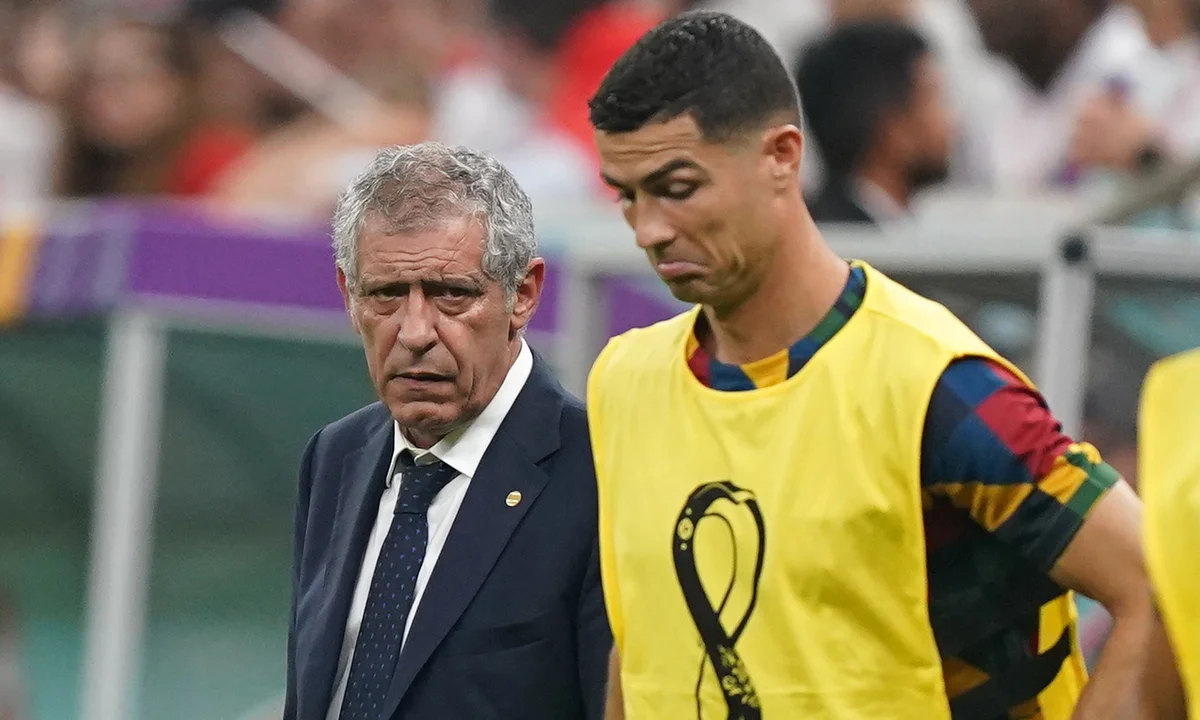
Ronaldo left the camp after learning that he would not start against Denmark, following his first appearance as an unused substitute for Portugal in 18 years against Norway. He later said he would reveal the reasons for his decision “in due course.”
Jesus, meanwhile, has made it clear that the door is still open.
“If he wants to, he’ll return,” the Portugal boss said after the team beat Norway 2-1 on Sunday. He also stressed that Ronaldo himself should decide how he wants to finish his international career.
That leaves Portugal with a fascinating situation. They may still want Ronaldo, but they have just shown that they can win without him.
The numbers are more interesting than the argument
The statistics supplied with this comparison cover Portugal’s matches since 2017.
Record
With Ronaldo
Without Ronaldo
Games
98
28
Wins
62
18
Draws
20
8
Losses
16
2
Goals for
210
75
Average goals
2.1
2.7
Win percentage
63%
64%
At first glance, the difference is not dramatic in terms of winning percentage: 63% with Ronaldo compared with 64% without him.
But one number immediately stands out.
Portugal have averaged 2.7 goals per game without Ronaldo, compared with 2.1 when he plays.
That does not mean Ronaldo makes Portugal worse. Football is far more complicated than one statistic. Ronaldo has also spent years playing in matches where Portugal’s opponents defended deeply, while some of the games he missed came against weaker opposition.
Still, the figures challenge the idea that Portugal would automatically collapse without him.
And the latest results make that argument even harder to dismiss.
Portugal have already answered part of the question
Ronaldo’s exit could hardly have come at a more dramatic moment.
Portugal defeated Denmark 4-2 in Copenhagen without their captain, producing an attacking performance that suggested there was plenty of life left in the team. João Cancelo, Gonçalo Ramos, Vitinha and João Félix were among the scorers.
Then came another test.
On Sunday, Portugal faced Norway and again had to operate without Ronaldo. This time, they won 2-1, with Cancelo equalising before Ramos scored the decisive goal in the second half.
The victory also secured Portugal’s place in the Nations League quarter-finals, with the holders maintaining a perfect record in Group A4.
Most importantly, Ramos — the player who started in Ronaldo’s place — scored the winning goal.
That is exactly the sort of moment that can change a manager’s thinking.
It does not mean Ramos is suddenly Ronaldo’s replacement. Nobody can simply replace 146 international goals and 234 appearances. UEFA records Ronaldo as the world’s leading men’s international goalscorer, with 146 goals for Portugal.
But it does prove that Portugal have other attacking options.
Ronaldo’s legacy makes the situation different
This is where the numbers alone cannot tell the whole story.
Ronaldo is not just another striker competing for a place.
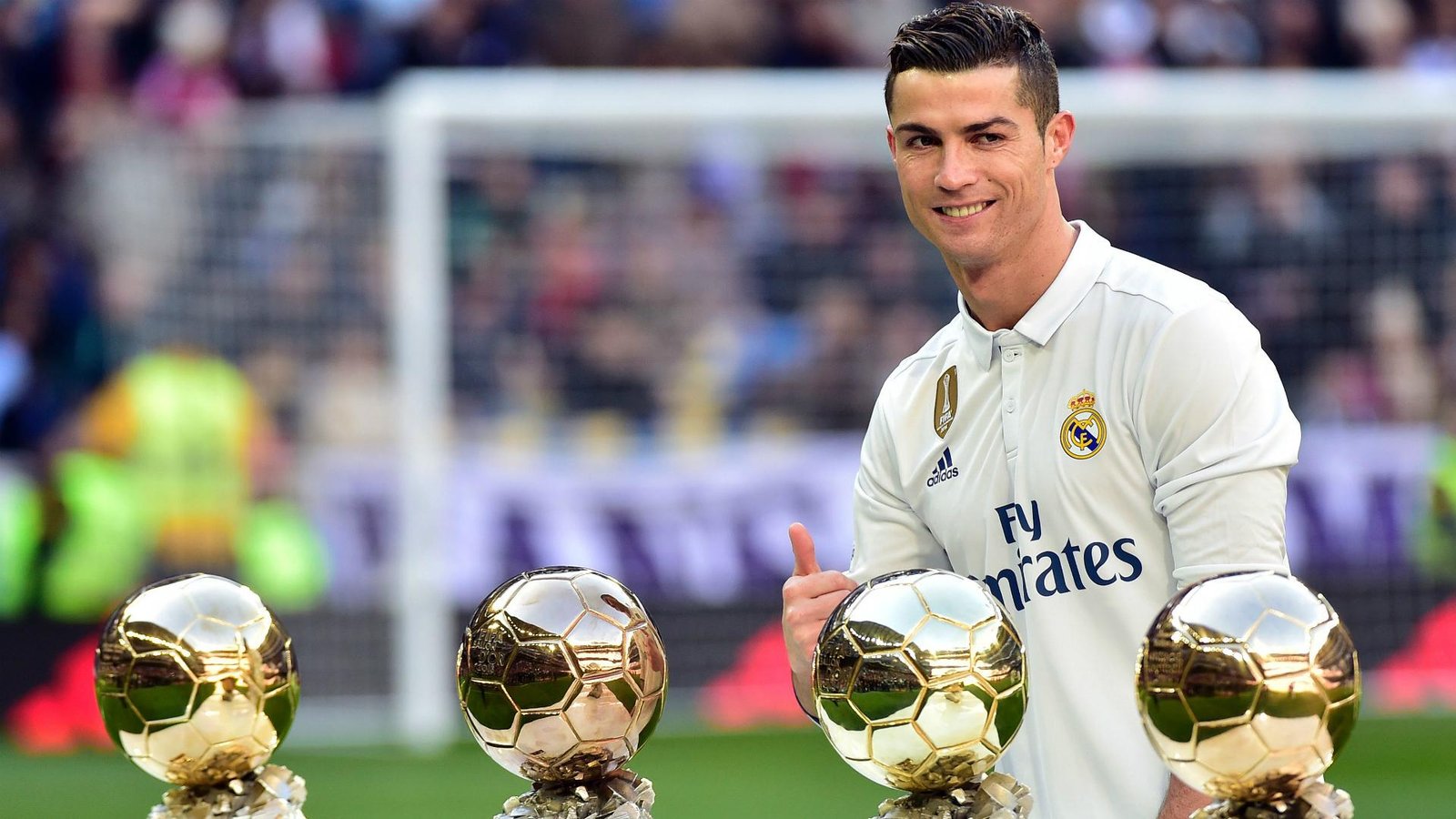
He is Portugal’s all-time leading scorer and most-capped player. He has spent much of his life representing the country and helped turn Portugal into a team capable of competing for major international trophies.
He also remains remarkably productive at club level.
By late September, Ronaldo had reached 979 senior career goals, leaving him 21 short of the extraordinary 1,000-goal milestone.
So the argument is not really whether Ronaldo is still a great player.
He clearly is.
The bigger question is whether Portugal need him to be an automatic starter at 41.
That is a much more complicated discussion.
Jorge Jesus has a difficult balancing act
Jesus inherited one of football’s biggest personalities while also taking responsibility for a talented generation of Portuguese players.
His decision to leave Ronaldo on the bench against Norway was always going to attract attention. Ronaldo warmed up but was not introduced, and subsequently left the pitch without joining his teammates in celebrating with supporters.
Jesus later confirmed Ronaldo would not start against Denmark either. Ronaldo then left the training camp after speaking with Portuguese Football Federation president Pedro Proença.
The relationship became even more sensitive because Jesus previously coached Ronaldo at Al-Nassr.
For Jesus, the challenge is simple to describe but extremely difficult to execute: respect Ronaldo’s legacy while still making decisions based on what he believes is best for Portugal.
For Ronaldo, the challenge is different.
Can he accept a reduced role if that is what the team requires?
That could ultimately determine whether this becomes a temporary disagreement or the unexpected ending of his Portugal career.
The answer may not be Ronaldo or no Ronaldo
There is another possibility that makes more sense.
Portugal could still use Ronaldo — but differently.
Instead of expecting him to play every minute, Jesus could manage his involvement based on the opponent, match situation and Ronaldo’s physical condition.
A player with Ronaldo’s experience can also influence a dressing room without playing every minute. His knowledge of international football, major tournaments and pressure situations is something Portugal cannot simply buy or replace.
At the same time, players such as Gonçalo Ramos, João Félix, Rafael Leão, Bruno Fernandes and Bernardo Silva need the freedom to build their own attacking identity.
That balance may be the key.
So, would Portugal really miss Ronaldo?
Yes — but perhaps not in the way many people expected.
Portugal would unquestionably lose one of the greatest goalscorers football has ever produced. They would lose experience, leadership and an enormous psychological presence.
But the recent evidence suggests they would not suddenly become a weak team.
In fact, the opposite has happened.
They scored four against Denmark and then beat Norway 2-1, with Ramos scoring the winner. Portugal have also already secured their place in the Nations League quarter-finals.
The statistics tell a similar story: a 64% win rate without Ronaldo since 2017 compared with 63% with him, plus a higher average goals-per-game figure.
However, two matches are not enough to declare a new era.
The real test will come when Portugal face stronger opponents, when the pressure of a major tournament returns and when Jesus has to decide whether Ronaldo belongs in his strongest XI.
For now, the door remains open.
And perhaps that is the most sensible outcome.
Ronaldo’s Portugal story deserves better than ending with an argument in a training camp. But if he does return, it may have to be on different terms.
At 41, even Cristiano Ronaldo cannot play forever.
The question is whether he is ready to accept that his final chapter with Portugal may look different from everything that came before it.
Stay tuned with ROKOCRICKET for more football updates, major sports stories and the latest developments. Subscribe and share your opinion: should Cristiano Ronaldo return to Portugal’s starting XI, or should Jorge Jesus continue building the team without him?
The ROKO CRICKET author is a passionate cricket enthusiast and sports writer dedicated to bringing readers closer to the game they love. With a keen interest in cricket history, match analysis, player stories, records, rankings, and the latest developments, the author focuses on delivering informative and engaging content in a simple, reader-friendly style. From iconic moments of the past to breaking cricket updates, every story aims to offer useful insights while keeping fans connected to the sport. At ROKO CRICKET, the author believes cricket is more than just numbers and scores—it is about the stories, emotions, rivalries, and unforgettable moments that make the game special.