Kylian Mbappe loses Chinese brand deals after alleged Mao Zedong remark
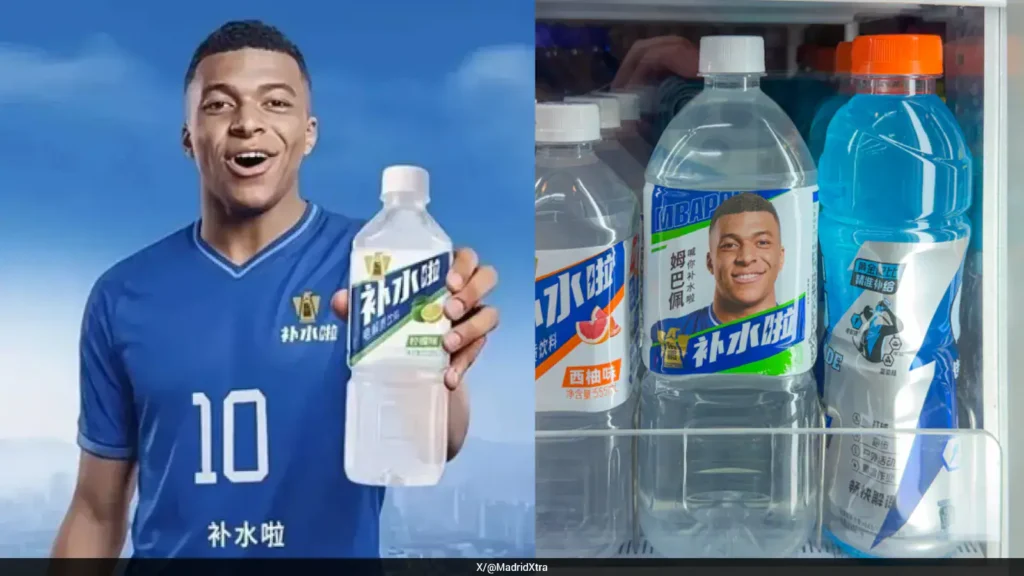
Kylian Mbappe faces controversy after Chinese brands end sponsorship partnerships over an alleged Mao Zedong remark.
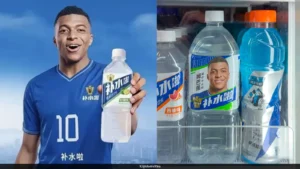
Kylian Mbappe has lost major commercial partnerships in China after a video circulated online in which the French football star appeared to joke about former Chinese leader Mao Zedong. Beverage giant Dongpeng and dairy producer Mengniu announced on Tuesday, October 27, that they were ending their cooperation with the Real Madrid forward, citing remarks they said were offensive to Chinese national sentiment.
The controversy has quickly spread across Chinese social media, turning an online meme discussion into a major issue for one of football’s most recognisable global stars. However, the authenticity of the circulating video had not been independently verified by AFP Fact Check at the time of reporting.
The incident has also raised questions about the commercial risks international athletes face when their public comments collide with cultural sensitivities in major sponsorship markets.
Why did Chinese brands end their partnerships with Kylian Mbappe?
Dongpeng was among the first companies to announce its decision, making clear that its partnership with Mbappe would end immediately.
“Our company firmly opposes and has a zero-tolerance policy towards any behaviour that offends national sentiments,” the beverage company said in its statement.
Mengniu, one of China’s largest dairy producers, followed with a similar announcement. The company confirmed that it was terminating all cooperation with the French international, stressing that it would not tolerate statements or actions considered hurtful to Chinese people.
“Mengniu firmly opposes and has a zero-tolerance policy towards any words or actions that hurt the feelings of the Chinese people,” the company said.
Both brands had used Mbappe’s international popularity to promote their products in China. His image featured in advertising campaigns, making the decision to end the partnerships a significant development beyond the football pitch.
The announcements also highlighted how quickly a controversy involving a global sports personality can affect commercial relationships, particularly when brands believe their public image and domestic audience are at risk.
What did Mbappe allegedly say about Mao Zedong?
The controversy began after a video circulated online in which Mbappe discussed his favourite internet meme featuring himself.
In the clip, the French forward reportedly described a meme showing his face edited onto that of “some guy — I think he’s a Chinese dictator”.
The remark appeared to refer to an image of Mbappe superimposed on Mao Zedong, the founding leader of the People’s Republic of China. Similar internet memes have placed the footballer’s face on historical figures, including leaders associated with authoritarian rule.
The crucial point, however, is that the video’s authenticity had not been confirmed by AFP Fact Check. The remarks should therefore be treated as alleged rather than as an independently verified statement.
The distinction matters because the controversy has developed rapidly online, where short clips and edited images can circulate widely before their original context is fully established.
There was no immediately verified public response from Mbappe addressing the latest developments in the reports available at the time.
Why is Mao Zedong a sensitive subject in China?
Mao Zedong remains a historically significant and politically sensitive figure in China. He led the Chinese Communist Party to power in 1949 and played a central role in the establishment of the People’s Republic of China.
His legacy remains deeply contested internationally and historically. While he is officially commemorated as a founding figure of modern China, his rule was also marked by campaigns that caused immense suffering, including the Great Leap Forward and the Cultural Revolution.
As a result, references to Mao can carry meanings far beyond an ordinary internet joke, particularly when they are interpreted as disrespectful towards China’s national history or identity.
For international celebrities, understanding these cultural and political sensitivities can be an important part of maintaining relationships with local audiences and commercial partners.
The reaction to the alleged remark demonstrates how an incident that might initially appear to be casual online banter can become a much larger public relations issue in a different cultural setting.
Social media backlash puts Mbappe’s commercial image under pressure
The story gained traction on Weibo, China’s major social media platform, where discussion of Dongpeng’s decision became a leading trending topic.
Some users criticised the alleged remarks and called for companies to remove Mbappe’s image from their products. Others expressed anger at what they viewed as disrespect towards the country’s history.
The controversy also drew attention because Mbappe has enjoyed substantial popularity among Chinese football fans. His profile as a leading international player has made him an attractive figure for brands seeking to connect with younger consumers and sports audiences.
Losing sponsorship agreements can carry consequences beyond immediate advertising campaigns. Companies may reconsider promotional material, while other commercial partners could review how they manage similar reputational risks.
Nevertheless, the full financial impact on Mbappe remains unclear. No verified figures were immediately available detailing the value of the terminated partnerships or any wider contractual consequences.
Controversy follows Ballon d’Or disappointment
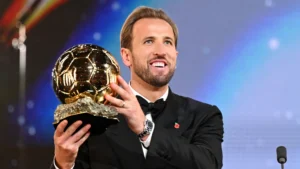
The developments came a day after Mbappe missed out on the 2026 Ballon d’Or, with England and Bayern Munich striker Harry Kane taking the men’s award.
Mbappe remains one of the biggest names in world football, but the latest controversy has shifted attention away from his performances and towards his commercial standing in China.
For now, the key questions concern the authenticity and context of the video, whether Mbappe will issue a response, and whether further companies will reconsider their relationships with the French star.
The episode serves as a reminder that a footballer’s global reputation extends well beyond goals, trophies and performances. In the modern sports industry, sponsorships depend not only on sporting success but also on public perception, cultural awareness and relationships with audiences across different markets.
Stay tuned to ROKOCRICKET for the latest football news, breaking sports updates and developments from the world of international sport. Subscribe to our updates so you don’t miss the stories making headlines.