ICC elevated to WADA’s highest tier after cricket’s Olympic inclusion
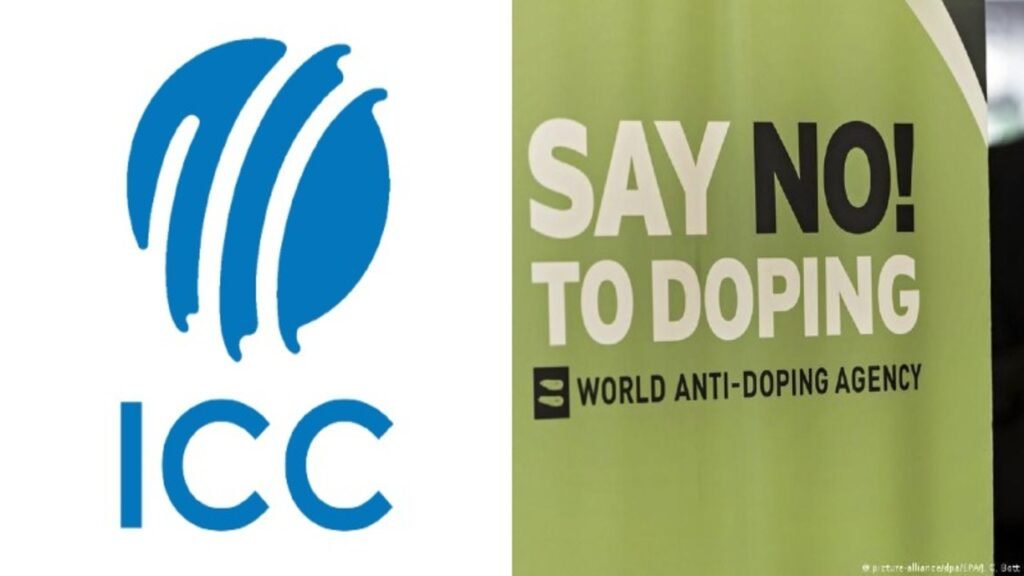
ICC promoted to WADA Tier 1 following cricket's inclusion in the Los Angeles 2028 Olympics
The International Cricket Council (ICC) has been promoted to Tier 1 under the World Anti-Doping Agency’s (WADA) prioritization policy, marking a significant development for cricket as the sport prepares to return to the Olympic Games at Los Angeles 2028. The upgrade places cricket’s global governing body in the highest category of WADA’s compliance framework, bringing stricter monitoring requirements and tighter deadlines for addressing anti-doping concerns.
The revised classifications will take effect on January 1, 2027. The ICC was previously listed in Tier 2 but has now joined international sports federations subject to the most demanding compliance standards under WADA’s Code Signatory Tiers.
Cricket’s Olympic inclusion is a key factor behind the decision. The sport will feature at the 2028 Los Angeles Olympics, returning to the Olympic programme more than a century after its only previous appearance at the 1900 Paris Games. The development is expected to increase international attention on cricket’s governance, athlete testing and commitment to fair competition.
Why WADA upgraded the ICC to Tier 1
WADA’s tiering system helps determine how its compliance resources are allocated across international sports federations, national anti-doping organizations and major event organizers. The framework considers the Olympic or Paralympic status of a sport and its combined Minimum Levels of Analysis (MLAs), which establish testing expectations for specific substances and sports.
Under the revised policy, the ICC must meet the requirements associated with the highest level of scrutiny. These include effective sample collection, appropriate follow-up of athletes’ whereabouts failures, proper handling of potential anti-doping rule violations and access to fair hearings within a reasonable period.
The policy also places specific deadlines on corrective action. Tier 1 international federations must address critical compliance requirements relating to testing, results management and Therapeutic Use Exemptions (TUEs) within three months, as prescribed by the applicable international compliance standards.
High-priority requirements must be addressed within six months, while general requirements, including those concerning data privacy, carry a nine-month deadline. These additional deadlines do not apply in the same way to lower-tier international federations and national anti-doping organizations.
The stricter framework means that the ICC will need to maintain effective anti-doping procedures and demonstrate that any identified shortcomings are corrected within the prescribed timelines.
What the move means for cricket before the 2028 Olympics
The ICC’s promotion comes at an important time for international cricket. Olympic participation will expose the sport to a wider audience and place its athletes within a major multi-sport event environment, where consistent anti-doping standards are essential.
For players, the broader emphasis is on clean competition, reliable testing procedures and clear rules governing prohibited substances. Athletes must also understand their responsibilities concerning whereabouts information, testing notifications and applications for Therapeutic Use Exemptions when medically necessary.
A TUE allows an athlete to use a prohibited substance or method for a legitimate medical reason when the applicable criteria are satisfied. Such exemptions are subject to formal assessment and are not automatic permissions.
For cricket administrators, the Tier 1 classification increases the importance of compliance systems that can withstand closer scrutiny. Testing alone is not sufficient; authorities must also ensure that results are handled correctly, potential violations are investigated appropriately and athletes receive fair treatment throughout the process.
The move should therefore be viewed as more than an administrative change. It reflects the higher expectations associated with cricket’s place on the Olympic stage, although the promotion itself does not establish that any particular player or national team has committed a doping violation.
India remains in WADA’s highest-priority category
While the ICC moves up from Tier 2, India has retained its position in Tier 1 under WADA’s separate classification system for national anti-doping organizations. The top category includes 50 countries and covers nations considered priorities for compliance monitoring based on their size and sporting performances at major international competitions.
WADA evaluates countries using results from senior-level global events, including the Olympic Games and World Championships, over the preceding four years. Regional and continental competitions are excluded from this particular performance assessment to help maintain a consistent comparison between countries.
The ranking system gives greater weight to more recent events, with Olympic performances carrying more points than World Championship results. Finishing positions also matter, with higher placements earning more points.
India’s continued presence in the highest tier comes amid sustained scrutiny of doping violations in the country. However, the classification should not be interpreted as evidence that every Indian sport or athlete has a doping problem. It is a risk-based prioritization mechanism used to guide compliance monitoring.
China and the United States are among the other countries included in the top category.
Other major sporting bodies affected by the changes
The revised classifications also include changes involving other international federations. The Badminton World Federation, FIFA, the International Tennis Federation, World Athletics, the International Gymnastics Federation and the International Hockey Federation are among the prominent organizations in Tier 1.
World Boxing has entered the highest tier following its provisional recognition by the International Olympic Committee, while the World Squash Federation has also been promoted from Tier 3 to Tier 1 after squash secured a place in the Olympic programme.
Among major event organizations, the International Olympic Committee and International Paralympic Committee remain in Tier 1. Meanwhile, the Commonwealth Games Federation, now known as Commonwealth Sport, has moved from Tier 2 to Tier 3, and the Asian Paralympic Committee has been placed in Tier 2.
WADA plans to review and update its classifications every two years, with signatories receiving at least two months’ notice when their status changes.
For the ICC, the timing is significant. With cricket’s Olympic return approaching, meeting the highest anti-doping compliance standards will be an important part of ensuring that the sport enters Los Angeles 2028 with robust safeguards for clean competition.
Stay tuned to ROKOCRICKET for the latest cricket news, ICC updates and developments ahead of the 2028 Olympics. Subscribe to follow the biggest stories shaping international cricket.