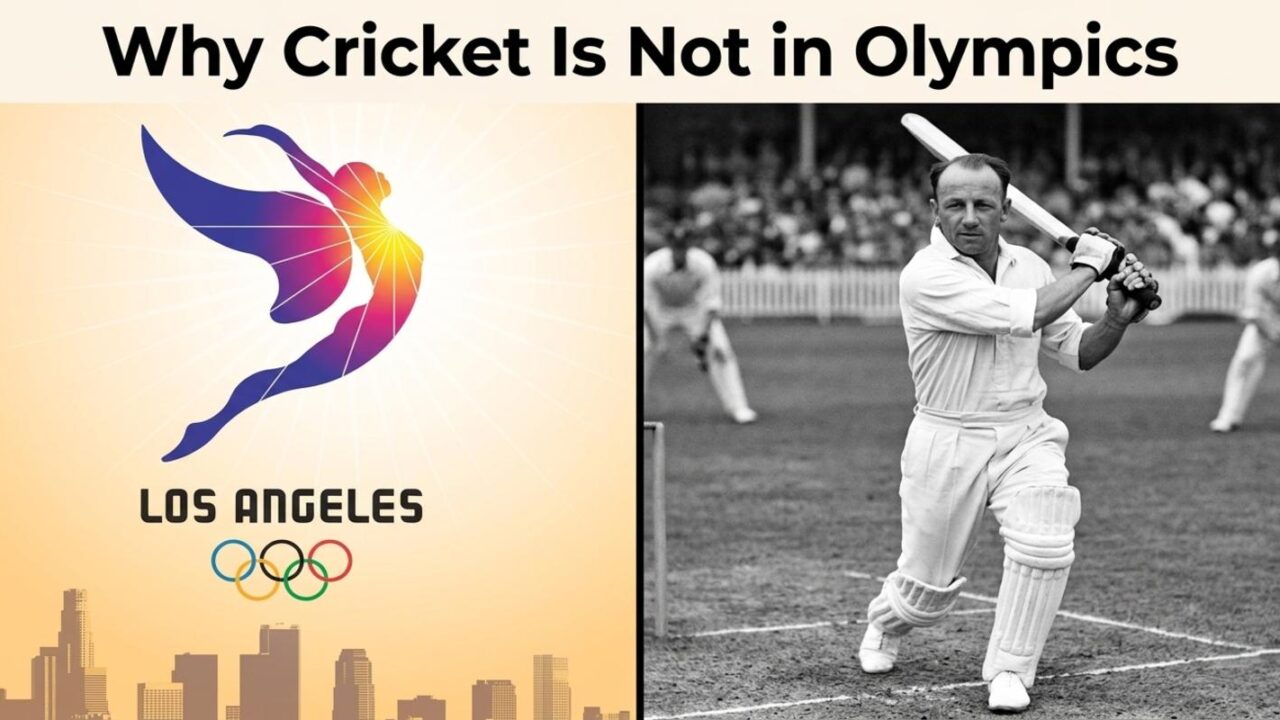


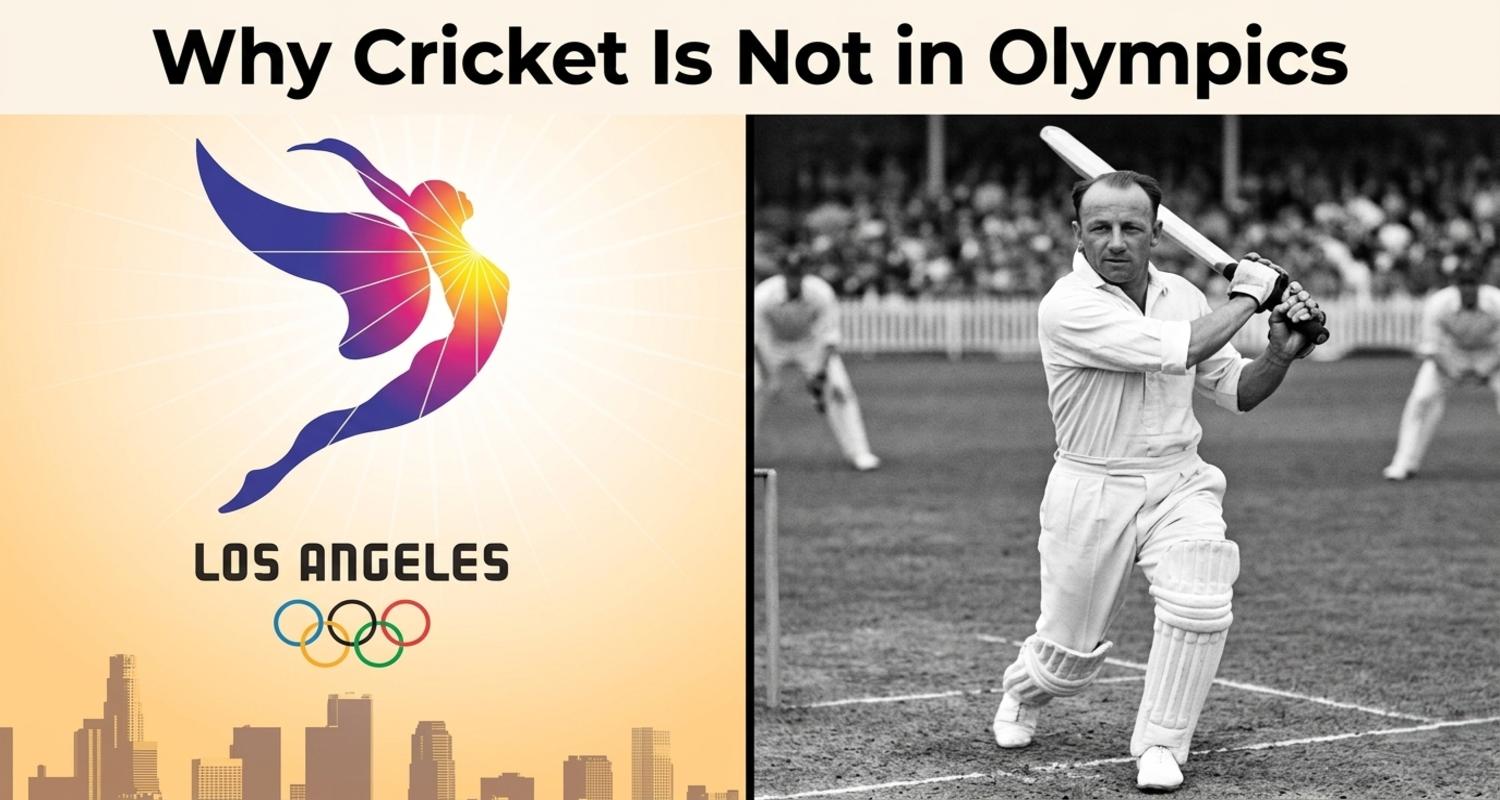
Why cricket is not in Olympics – discover 7 shocking reasons behind its absence and why it is finally returning at LA 2028 in T20 format.
Why Cricket Is Not in Olympics: The Truth Behind Its Long Absence
Why cricket is not in Olympics has been a long-debated question among sports fans, especially considering the massive global popularity of the game. Despite being one of the most followed sports, cricket remained absent from the modern Olympic Games for over a century.
The decision was not random. It involved multiple factors including format challenges, governance issues, and global reach limitations.
A Complicated Relationship with the Olympics
Cricket’s relationship with the International Olympic Committee has always been complicated. The sport was last played in the Olympics in 1900, and since then, it stayed out of the global event.
The governing body of cricket, the International Cricket Council, historically prioritized its own tournaments over Olympic participation. This created a conflict of interest that delayed cricket’s return for decades.
Format Problem: Cricket Is Too Long
One of the biggest reasons behind why cricket is not in Olympics is the duration of the game.
Traditional formats include:
- Test matches (up to 5 days)
- One Day Internationals (around 8 hours)
The Olympics run on a tight schedule of about two weeks. Including long-format cricket was simply not practical.
Even ODIs were considered too lengthy for a multi-sport event where scheduling efficiency is critical.
Limited Global Reach
Another key reason is cricket’s limited global footprint.
While cricket is extremely popular in countries like:
- India
- Australia
- England
- Pakistan
It does not have the same level of participation worldwide compared to sports like athletics or football.
The IOC prefers sports with:
- Wide international representation
- Strong participation across continents
This limited reach played a major role in keeping cricket out.
ICC’s Control and Commercial Interests
The ICC has traditionally maintained strict control over cricket events.
Major tournaments like:
- ICC Cricket World Cup
- T20 World Cup
generate massive revenue. For a long time, the ICC was reluctant to share control or revenue with the Olympic movement.
This conflict slowed down negotiations and delayed cricket’s inclusion.
Why cricket is not in Olympics – Anti-Doping Rule Conflicts
Another important factor in why cricket is not in Olympics was resistance to anti-doping regulations.
The Olympics follow strict rules set by the World Anti-Doping Agency.
In the past:
- Some cricket boards were hesitant to fully comply
- There were concerns over player management and testing protocols
This created a gap between cricket governance and Olympic requirements.
Lack of Infrastructure and Standardization
Unlike sports such as football or athletics, cricket requires specialized infrastructure:
- Large stadiums
- Specific pitch conditions
- Longer preparation time
Not every Olympic host city can easily provide these facilities. This added another layer of complexity to its inclusion.
What Changed? Cricket’s Return in LA 2028
After years of absence, cricket is finally set to return at the 2028 Summer Olympics.
The key reason behind this comeback is the rise of the T20 format.
T20 cricket offers:
- Matches completed in around 3 hours
- Fast-paced and entertaining gameplay
- Better fit for Olympic scheduling
Both men’s and women’s T20 competitions will be featured, marking a historic moment for the sport.
Global Expansion of Cricket
The ICC has also worked on expanding cricket globally.
Efforts include:
- Promoting cricket in the USA and Europe
- Increasing associate nation participation
- Investing in grassroots development
This growth made cricket more attractive to the Olympic movement.
Commercial Power of Cricket
Cricket brings huge commercial value.
- Massive TV audiences
- Strong sponsorship deals
- Large fan base in Asia
For the Olympics, this means:
- Higher viewership
- Increased revenue
- Greater global engagement
This commercial appeal played a key role in its inclusion.
Points to Watch Out
| Key Factor | Details |
|---|---|
| Main Issue | Long match duration |
| Governing Conflict | ICC vs Olympic control |
| Global Reach | Limited beyond key nations |
| Rule Conflict | WADA anti-doping concerns |
| Comeback Format | T20 in LA 2028 |
A Turning Point for Cricket
The discussion around why cricket is not in Olympics is finally shifting towards a more positive narrative.
The inclusion in LA 2028 is not just a return—it is a transformation.
Cricket is evolving:
- Becoming faster
- Reaching new audiences
- Aligning with global sports standards
This move could redefine the future of cricket on the world stage.
What This Means for Fans
For fans, this is huge.
- Cricket will gain Olympic recognition
- New countries may emerge in the sport
- Players will get a chance to win Olympic medals
It opens a completely new chapter in cricket history.
why cricket is not in Olympics
Comment your opinion on this post—do you think cricket deserves a permanent place in the Olympics?